Root Canal vs Tooth Extraction — Which Is Better?
When a tooth is severely damaged or infected, you may face a difficult decision: save the tooth with a root canal or remove it with an extraction. Both options have their place in modern dentistry, and the right choice depends on your specific situation.
At New Vision Dental Clinic in Accra, we help patients understand both options so they can make informed decisions about their oral health.
What Is a Root Canal?
A root canal (also called endodontic treatment) removes infected or inflamed pulp from inside the tooth, cleans and disinfects the root canals, and seals them to prevent reinfection. The tooth is then protected with a crown. The procedure saves your natural tooth and restores its function.
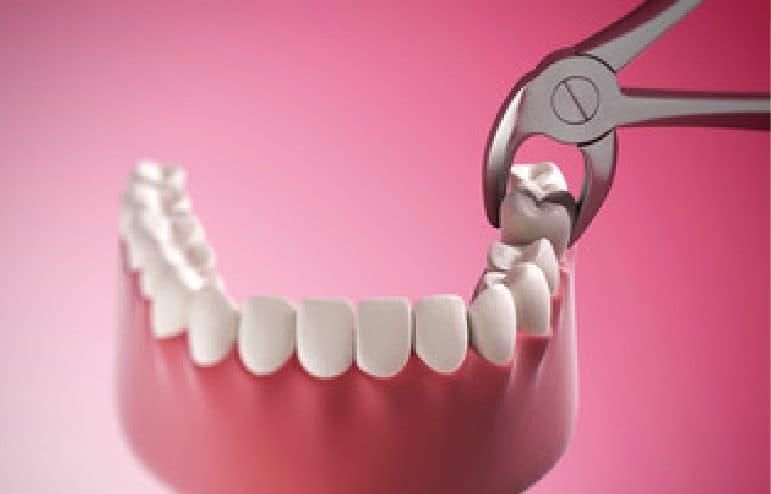
What Is a Tooth Extraction?
An extraction removes the entire tooth from its socket. After extraction, the missing tooth must be replaced with an implant, bridge, or denture to prevent neighbouring teeth from shifting and to maintain jawbone health.
Root Canal — Pros
- Saves your natural tooth: Nothing functions as well as your own tooth
- Preserves jawbone: The tooth root stimulates bone, preventing the bone loss that occurs after extraction
- No need for replacement: After a crown, the tooth functions normally — no extra cost for an implant or bridge
- Normal chewing and biting: A restored root canal tooth can handle full chewing forces
- No impact on neighbouring teeth: Adjacent teeth do not shift or tilt
Root Canal — Cons
- May require 1-2 visits to complete
- Higher upfront cost than extraction
- Some cases may fail (though success rate is over 95%)
- Requires a crown for full protection (additional cost)
Tooth Extraction — Pros
- Quick procedure (often under 30 minutes)
- Lower upfront cost than root canal + crown
- Removes the problem tooth completely
- One visit is usually sufficient
Tooth Extraction — Cons
- Bone loss: The jawbone begins to shrink within months of tooth removal
- Teeth shifting: Adjacent and opposing teeth move into the gap, causing alignment issues
- Replacement needed: An implant or bridge is necessary to prevent long-term problems
- Higher long-term cost: Extraction + replacement (implant or bridge) typically costs more than a root canal + crown
- More invasive: Surgical extraction can involve significant recovery time
Long-Term Cost Comparison
- Root canal + crown: Moderate upfront cost, no additional costs needed
- Extraction only: Lowest upfront cost, but tooth replacement is necessary
- Extraction + dental implant: Highest total cost (extraction + implant + crown)
- Extraction + bridge: Moderate-to-high total cost (extraction + bridge)
When you factor in the cost of replacing the extracted tooth, a root canal is almost always the more economical choice in the long term.
When Extraction Is the Better Option
Extraction may be recommended when:
- The tooth is too damaged to be restored (severe decay, large crack below the gumline)
- Advanced gum disease has destroyed too much supporting bone
- The tooth is impacted (like wisdom teeth)
- There is insufficient tooth structure to support a crown
- The patient is undergoing orthodontic treatment and needs space
Root Canal vs Extraction at New Vision Dental
At New Vision Dental, our priority is always to save your natural tooth whenever possible. Our experienced team uses modern techniques to ensure root canal therapy is comfortable and effective. However, when extraction is the better option, we provide gentle care and discuss your replacement options. Book a consultation to discuss your specific situation.